



Introduction
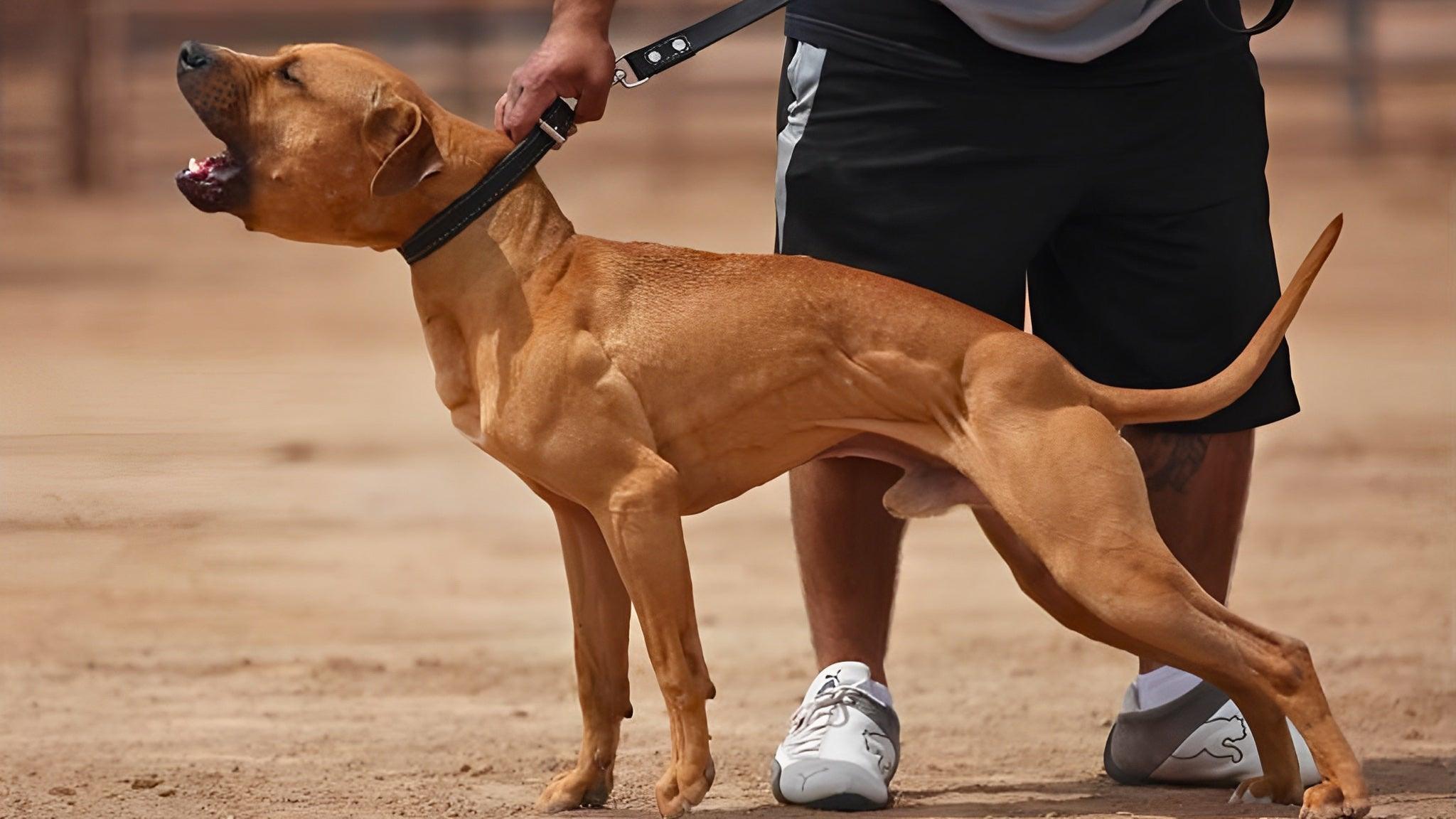
The American Pit Bull Terrier is a breed that is often misunderstood because of its past. In this blog post, we will take a closer look at the history of this breed’s development, its use in the past and present, and the efforts being made to improve its image.
Table of contents - Dominance in dog training
The development of the American Pit Bull Terrier
Crossing the English Bulldog with terrier breeds
The American Pit Bull Terrier developed from crossing the old English Bulldog with various terrier breeds, including the Black and Tan Terrier, the White English Terrier (now extinct), and the Fox Terrier. It is important to note that throughout history there have been many terrier breeds, some of which no longer exist today or have changed significantly. These terrier breeds may also have contributed to the development of the American Pit Bull Terrier.

Bull & Terrier: The origins
By crossing the old-type English Bulldog with various terriers, a dog breed called the Bull & Terrier was developed. It was the ancestor of the American Pit Bull Terrier. They all looked different but had similar character traits: strength, courage, stamina, and tenacity. Because of their strength and endurance, they were used as working dogs on farms and in industry. They helped drive livestock, pull loads, and protect property. Their terrier traits made them excellent ratters and hunting dogs, used for pest control and hunting small game.

The American Pit Bull Terrier and dog fighting
Bull- and bear-baiting
These traits led to a very bloody dog sport: bull- and bear-baiting. Around 1835, bull- and bear-baiting was banned, which led to fights against badgers, rats, and also other dogs in hidden fighting rings known as "pits." This is where the name American Pit Bull Terrier comes from. In these pits, the dogs had to fight to the death. Because of its traits, the Bull & Terrier was very successful in dog fighting.

Requirements for so-called fighting dogs
At that time, so-called fighting dogs were expected to have a stable temperament. The owner or referee had to be able to intervene in the pits at any time. They had to be tame, obedient, and responsive to people. If one of these dogs bit and held onto a person, it was removed from breeding and killed.

The emergence of the American Pit Bull Terrier in America
Emigration and the continuation of breeding
With the end of the American Civil War around the middle of the 18th century and the ban on dog fighting in England, many English people emigrated to America with their dogs. There, this brutal sport continued because there were not yet any bans like those in England. In America, breeding of the Bull & Terrier continued. Since they all looked different and there were no breeding standards, they also had different names, such as Jenkie Terrier, Pit Bull Terrier, American Pit Bull Terrier, or Bull Terrier.
John P. Colby and selective breeding
1889 was an important year for the American Pit Bull Terrier as we know it today. At that time, the American Pit Bull Terrier began to be bred selectively. John P. Colby was the breeder of the American Pit Bull Terrier. In 1889, he began breeding his American Pit Bull Terrier breed from the best dogs from England and Ireland, which had been brought to the USA by immigrants. These crosses gave rise to two distinct breeds that we know very well today.

a. The American Pit Bull Terrier
The first dog breed is the American Pit Bull Terrier, which was first registered by the United Kennel Club (UKC) in 1898 and later, in 1909, by the American Dog Breeders Association (ADBA), and was bred exclusively for dog fighting.

b. The American Staffordshire Terrier
The second dog that emerged from Colby’s breeding is the American Staffordshire Terrier, which was first registered by the American Kennel Club (AKC) in 1936 and was bred exclusively as a show line.

The transformation of the American Pit Bull Terrier and ADBA Top Dog Sports
Ralph Greenwood and the Beginning of a New Era
Ralph Greenwood was an important figure in the history of the American Pit Bull Terrier, ushering in the beginning of a new era for this breed. In 1972, Greenwood acquired the American Dog Breeders Association (ADBA), an organization dedicated to the registration and protection of the American Pit Bull Terrier. With his passion for this dog breed, Greenwood sought to bring about positive change and end the use of pit bulls in dog fighting.
Greenwood recognized the true potential of the American Pit Bull Terrier as an athletic, intelligent, and loyal companion and was determined to promote these dogs’ abilities in a way that respected their health and well-being. To achieve this goal, he worked closely with other breeders and animal lovers to draw attention to the positive traits of the breed and to use their abilities in other, less harmful areas.
One of the most important initiatives Greenwood launched was the introduction of ADBA Top Dog Sports, a dog sport developed specifically for American Pit Bull Terriers. By creating a sport that met their natural drives and needs, Greenwood enabled these dogs to use their abilities and energy in a positive way, without being used in dog fighting.
Greenwood’s work with the ADBA helped change public perception of the American Pit Bull Terrier and present the breed for what it truly is: a loving, intelligent, and capable family member able to excel both as a companion dog and as an athlete. His commitment to the breed helped give many American Pit Bull Terriers a better life and had a lasting, positive influence on people’s attitudes toward this impressive breed.

ADBA Top Dog Sports: The New Dog Sport
And so, at the end of the 1970s, a dog sport emerged that was practiced exclusively by the American Pit Bull Terrier: ADBA Top Dog Sports. This sport includes several competition disciplines: 1. Treadmill Race, 2. Wall Climb, 3. Lure Coursing (sprint competition), 4. Weight Pull, and 5. Long Jump.
These sports are carried out to meet the drives and needs of the American Pit Bull Terrier. This allows them to express their drives without injuring themselves or other dogs.

Vitomalia's conclusion
The history of the American Pit Bull Terrier shows how dog breeds can change and adapt over time. Originally developed by crossing English Bulldogs with various terrier breeds, these dogs were first used as working dogs and later abused for bloody dog fights. Despite their dark past and the ongoing challenges associated with their reputation as so-called fighting dogs, responsible breeders and animal lovers have made significant progress in recent decades in improving the image of the American Pit Bull Terrier.
The introduction of dog sports such as ADBA Top Dog Sports has created an alternative to dog fighting that meets the natural drives and needs of these dogs without putting other dogs or people at risk. These sports have helped show the true potential of the American Pit Bull Terrier as an athletic, intelligent, and loyal companion.
At the same time, breeders and organizations such as the ADBA and the UKC have worked hard to develop clear breeding standards and ethical guidelines that promote the health and well-being of these dogs. By selecting dogs with a stable temperament and applying responsible breeding practices, they have produced a new generation of American Pit Bull Terrier that are better suited to living as loving family members and companion dogs.
However, it is important to acknowledge that the challenges facing the American Pit Bull Terrier have not yet been fully overcome. The continued use of these dogs in illegal dog fighting and the stigma they experience in public still require education and commitment from breeders, animal lovers, and dog experts.
Overall, the history of the American Pit Bull Terrier shows how a dog breed can undergo a remarkable transformation despite its difficult past. Through continued education, responsible breeding, and the commitment of animal lovers, we can hopefully continue to improve the image of the American Pit Bull Terrier and foster appreciation for this impressive breed.